



Introduction
Customers have access to more information than ever before. Before making a purchasing decision, many people research businesses, compare options, read articles, watch videos, and look for reviews.
This creates a valuable opportunity for businesses to use content marketing to educate audiences and demonstrate expertise.
Content marketing focuses on creating and distributing useful, relevant, and consistent content. When done effectively, it can increase visibility, build credibility, support SEO, and guide potential customers through the buying journey.
What Is Content Marketing?
Content marketing involves creating resources that provide value to a specific audience.
Examples include blog articles, videos, guides, infographics, case studies, newsletters, FAQs, social media content, and downloadable resources.
The objective is not simply to promote a business. Effective content answers questions, solves problems, provides insights, and helps customers make informed decisions.
Building Trust Through Valuable Information
Trust is an important factor in customer decision-making.
When a business consistently publishes helpful and accurate information, it can demonstrate knowledge of its industry.
For example, an agency can publish practical marketing guides, explain industry trends, answer common customer questions, and share useful strategies.
Over time, this content can position the business as an authority rather than simply another company trying to sell a service.
Supporting Search Engine Optimization
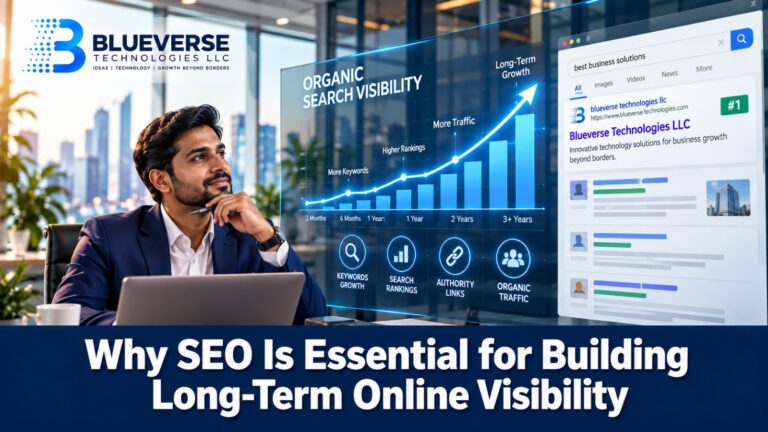
Content marketing and SEO work closely together.
Search engines rely on content to understand what a website is about and which searches its pages may be relevant for.
Creating high-quality articles around relevant topics can help businesses target a wider range of search queries.
Content can also attract backlinks and increase opportunities for users to discover a website through organic search.
Supporting Every Stage of the Customer Journey
Different customers need different information depending on where they are in the buying process.
Someone discovering a problem may need educational content. Someone comparing solutions may benefit from a detailed guide or comparison. A customer who is ready to buy may need a case study, service page, testimonial, or pricing information.
A strong content strategy addresses each stage of this journey.
The Importance of Consistency
Content marketing works best when it is consistent.
Publishing valuable content regularly helps businesses maintain visibility and gives audiences more opportunities to interact with the brand.
Consistency does not necessarily mean publishing every day. Instead, businesses should establish a realistic content schedule and maintain a high standard of quality.
Using Multiple Content Formats
Different people prefer different ways of consuming information.
Some audiences prefer articles, while others respond better to short videos, visual graphics, podcasts, or social media posts.
Repurposing content can make content marketing more efficient. A detailed blog can become several social media posts, a video script, an infographic, or an email newsletter.
Measuring Content Performance
Businesses should measure whether content is contributing to their objectives.
Useful metrics can include organic traffic, page engagement, time spent on pages, downloads, leads, social shares, and conversions.
Analyzing these results helps marketers identify successful topics and understand what audiences find valuable.
Conclusion
Content marketing is one of the most effective ways for businesses to build authority and trust while supporting broader digital marketing goals.
By creating useful, relevant, and consistent content, businesses can educate audiences, improve search visibility, strengthen relationships, and support customers throughout the buying journey.
A strategic content marketing approach can turn a website and social media presence into valuable resources that continue generating opportunities over time.